Reading
At Sundon Lower School we value reading highly. We have ambitious aims for all of our children to become confident, skilled, enthusiastic and proficient readers who are exposed to rich and varied literature which builds their cultural capital. This begins by all children following the Twinkl programme which provides high quality and comprehensive phonics training focussed on the decoding of words, the comprehension of texts and the fluency of reading. Our aim is to ensure that all children achieve success in their ‘Early Reading’ journey and are adequately prepared to continue developing their reading skills as they move up through our school. As pupils progress through KS1 and KS2, reading continues to be a high priority where lessons are interactive, engaging and follow a robust curriculum which meets the needs of all children and targets specific reading skills focussed on the understanding of texts such as prediction, retrieval and inference. Through lessons, interventions and regular reading opportunities with adults and peers, our children learn to read fluently with expression and intonation.
We believe that reading is a lifelong skill which unlocks the curriculum, broadens pupils’ experiences and opens new worlds of knowledge and opportunity. We want our pupils to become passionate and motivated readers who feel confident in their own skills and enjoy reading for pleasure. We aim to build our pupils’ cultural capital through the wide range of genres, texts and authors we build our book-centred curriculum on (through Pathways to Read and Write) and we aim to inspire and challenge the children through all reading experiences. At the heart of our strategy is our desire to foster a classroom environment and school ethos which reflects a love of reading and leads to a lifelong engagement with reading.
Please see here for our reading progression of skills. Reading Progression of Skills
Our Reading Curriculum
At Sundon Lower School, we ensure that our reading curriculum is broad and diverse in terms of content, balanced in terms of the reading skills taught, and allows all children to make progress as they learn to decode, comprehend and read expressively with fluency. ‘Early Reading’ is taught through daily discrete phonics sessions (please click here for more details on our phonics provision) which not only provides our pupils with the decoding skills required to be able to read, but also develops an early love of reading in our youngest children. We introduce and share a wide variety of texts, including those which they may not be able to access independently. This is not limited to fictional texts but also a wide range of non-fiction books, magazines and digital reading material are read. Texts are read aloud by adults who model appropriate fluency, expression and intonation and children are encouraged to discuss their understanding of challenging reading materials, develop their comprehension strategies and share their ideas, views and opinions. As children’s reading skills develop, they are encouraged to read with their peers, younger pupils and adults at home. Children take books home so that they can consolidate their learning and share their reading enjoyment with those that they live with.
From Year 1 to Year 4, children at Sundon Lower School also follow the Pathways to Read curriculum. This planning links to the Pathways to Write planning (taught through English lessons from Reception to Year 4) and the two schemes work hand-in-hand to provide children with reading experiences which target specific reading skills through the study of high quality and thought-provoking texts. The chosen texts are highly engaging and have been selected specifically to celebrate diversity, help children to understand their roles as global citizens, develop their cultural capital and to gain a greater understanding of feelings and emotions. Pathways to Read provides an interactive and progressive set of plans for mixed year groups, ensuring the most important skills are addressed and achieved. The curriculum enables children to analyse texts, think deeply, respond to questioning, refine their answers and develop vital reading skills beyond those achieved through their phonics training. It equips them to make progress as they build on their previous learning and the high-quality, book-based learning which the Pathways to Read scheme provides, also ensures that children continue to enjoy wide-ranging reading experiences.
Reading at Home
Initially, the two reading books your child will bring home are from the Twinkl scheme and link to the phonics learning taking place in school. One of the books your child should be able to read without support because they have been practising it in school in their phonics groups. The second book is a 'Book Bag' book which contains a new story but with known sounds and gives you the opportunity to support your child reading new content. They will also bring home a free-choice library book which they have selected independently and which may be outside of their reading ability but can be shared for enjoyment with an adult. Once children have completed the Read, Write, Inc scheme, they will bring home books from the Oxford Reading Tree scheme which incorporates a mixture of fiction and non-fiction books. The scheme provides consistent progression from their early phonics learning to fluent, competent reading.
Alongside their books, children will bring home their reading record where their progress in reading (both with adults at home and in school) is recorded. These reading records also contain a number of helpful information pages for parents and carers, such as phonics summaries, ideas for questioning, age-related grammar expectations, grammatical definitions and activities for children to complete once they have finished a book.
To support reading at home, each year group has some suggested questions you may wish to ask your child while you are reading with them.
Reading for Pleasure
As described above, one of our aims at Sundon Lower School is to raise the profile of reading across the school by fostering a school environment in which reading is valued and celebrated. We want to inspire a love of reading in the children and to instil in them a passion for reading which goes beyond their learning in lessons. To achieve this, we aim to make reading more visible and to ensure we talk regularly about reading in a positive and motivating manner. We encourage all adults in school to discuss books and reading with the children and for communication about reading to be part of our everyday school culture. We organise whole-school events such as World Book Day, a ‘Get Caught Reading’ competition and a Readathon to promote reading and to help remind the children that reading is fun. We hold an annual book fair and we actively encourage our pupils to join their local library so that all children and their families have access to a wide range of books.

|
Story Corner Feb 26 | [pdf 1MB] |

|
|
|
Sundon Story Station | [pdf 1MB] |
|
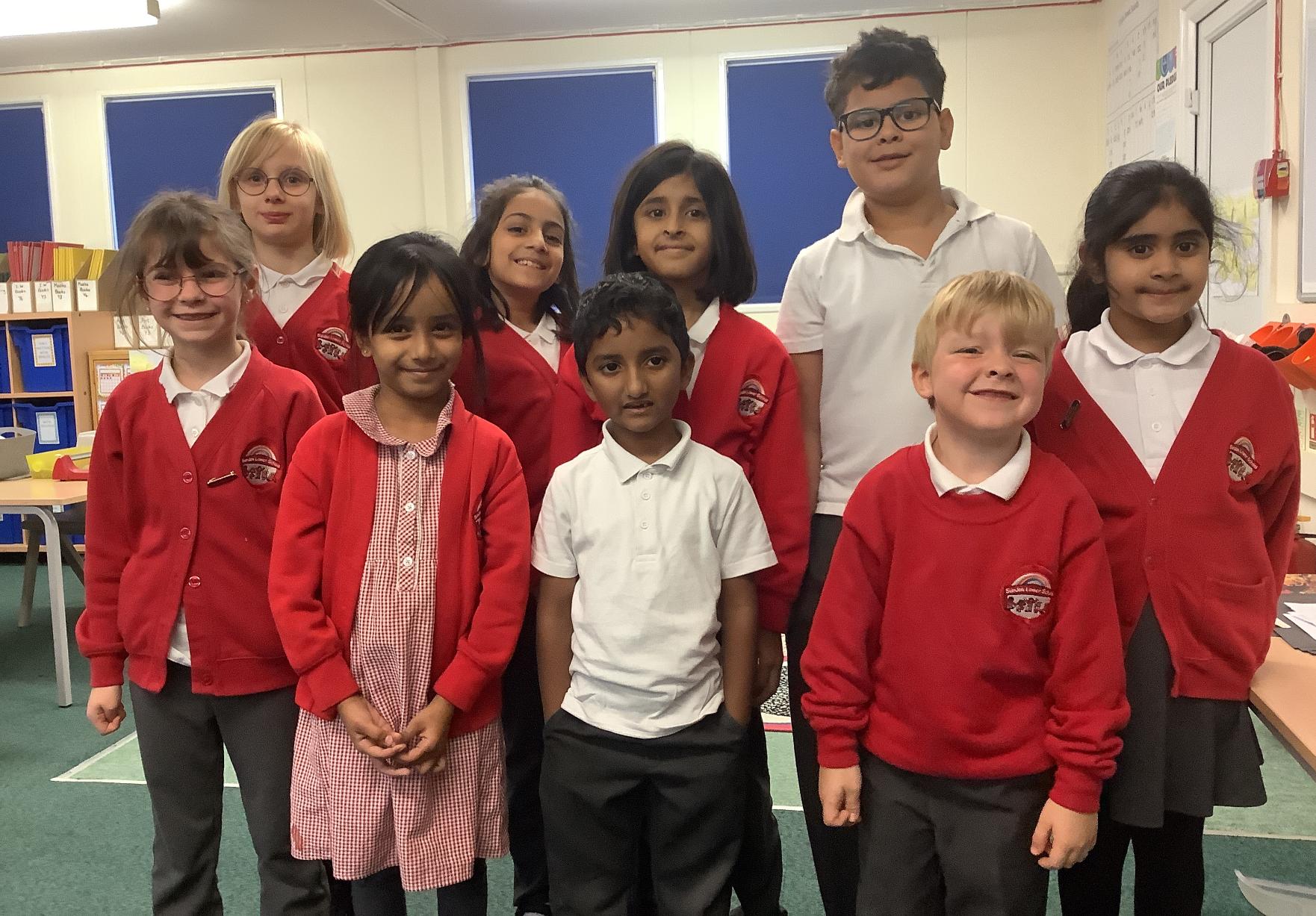
Reading Ambassadors
At Sundon Lower School, we also have Reading Ambassadors. The role of the Reading Ambassadors is to promote a love of reading across the school and each ambassador is chosen by their class teacher based on their passion for reading, their enthusiasm for books, their commitment to developing their reading skills (reading regularly at home for example), and their confidence, willingness and enthusiasm for sharing their love of reading with the school community.
The Reading Ambassadors meet regularly with the English Subject Lead to share their ideas on how best to promote reading in an engaging and interactive way. Reading Ambassadors promote reading in their own year group/classes but are also given opportunities to share their love of reading outside of their own Key Stage (for example, reading stories to younger children). They demonstrate exemplary reading behaviours and are excellent reading role model for others. They recommend books and talk about their favourite authors, help adults in school with reading events, help create displays to promote reading within school, make suggestions for school book purchases (in particular promoting equality and diversity), manage the library at lunchtimes, and lead reading assemblies.